Why Most Self-Published Books Don’t Sell (and How to Make Sure Yours Does)
Most self-published books never sell a single copy to anyone except the writer’s friends and family. That’s the truth. But that doesn’t have to be you, and it doesn’t have to be your book.
If you don’t know me, I’m Kate. I have 30 books out at this point, and I’ve helped over 3,000 authors self-publish their books on Amazon and market their books using social media. On top of that, my own books make me a full-time living. They allowed me to quit my corporate marketing job, and they allowed my husband to quit his job so he could stay home and take care of our child.
So if you actually want to sell your books, and you’re writing books because you want to make money from them, there are three huge mistakes you need to stop making.
The first mistake, and one that is incredibly common, is having a bad cover. A bad cover can absolutely wreck your whole book strategy. People love to say, “Don’t judge a book by its cover,” but let’s be honest, most people absolutely do. Your cover is the first thing people see when they’re scrolling Amazon. It’s the first impression. If Amazon recommends your book and the cover looks bad, most people are not going to click on it, let alone buy it.
It doesn’t matter if you think your book is amazing. It doesn’t matter if you know it’s the best thing you’ve ever written. That alone is not a good enough reason for a stranger to buy it. They do not know that yet. All they know is whether the cover looks like something worth their time.
A huge issue I see with covers is bad type, which just means the text looks bad. Sometimes it’s the wrong font. Sometimes it’s too many fonts. Sometimes it’s a font that would be fine on its own, but then it gets overloaded with flourishes and weird styling until it becomes hard to read. If you’re a beginner designing your own cover, the fix is usually to go way simpler than you think you need to. Look at books in your genre. Pay attention to how those authors are using fonts, and then do a basic version of that. It does not need to be complicated. It does not need to be fancy. It just needs to be clear and readable.
If someone is standing ten feet away in a bookstore, they should be able to read your title. If someone is scrolling Amazon, they should be able to read it right there on the thumbnail without clicking on it to enlarge it. That matters.
When I use a fancier font, I try to balance it out. For example, on one of my books, An Impressive Proposal, I used a cursive font because that’s pretty standard for a lot of contemporary romance. But it’s only one word in the title. The rest of the title is in a really basic sans serif font. On another book, Rein Him In, I used that same sans serif font as the only font on the cover. It works because you do not need something overly complex to make it beautiful.
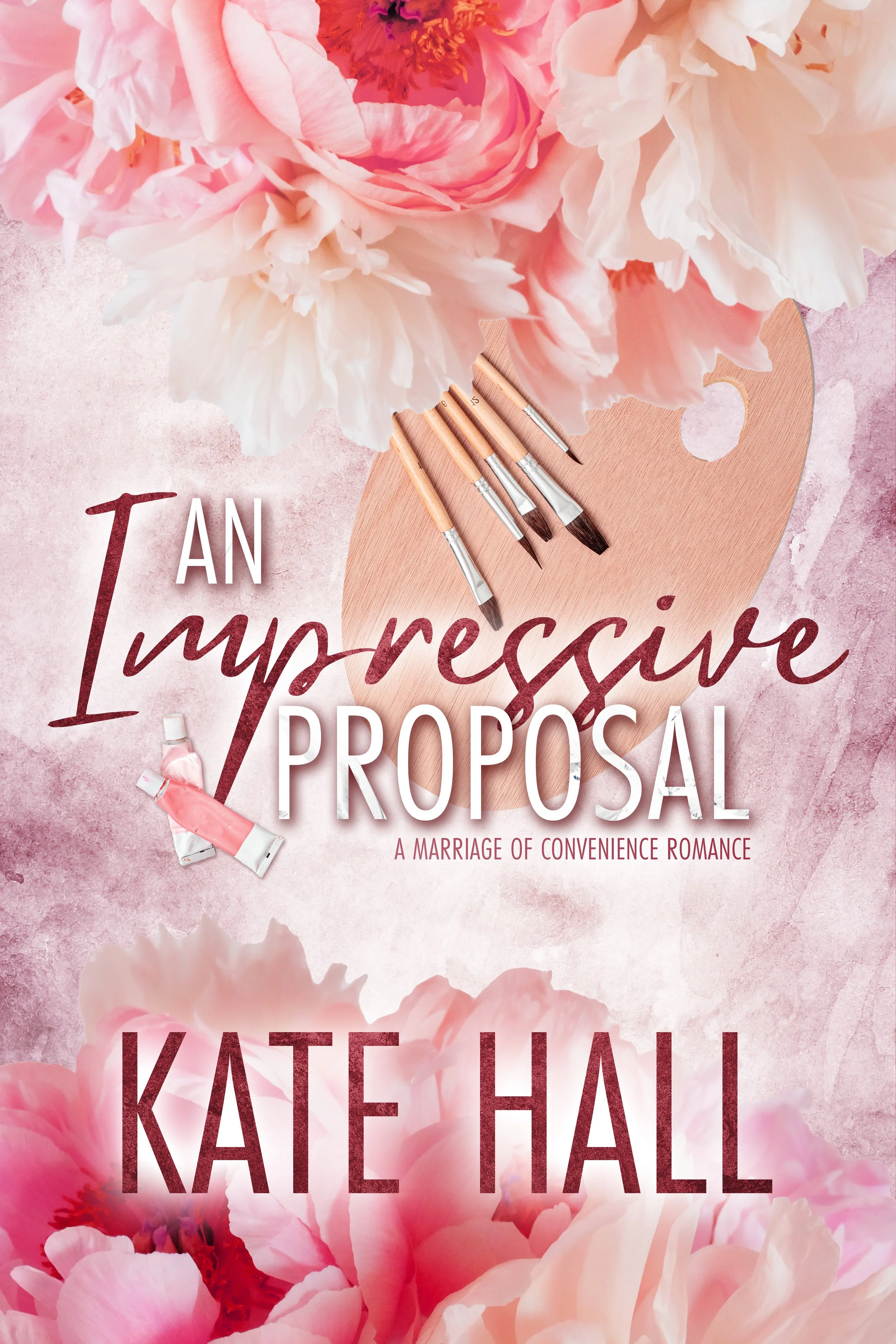
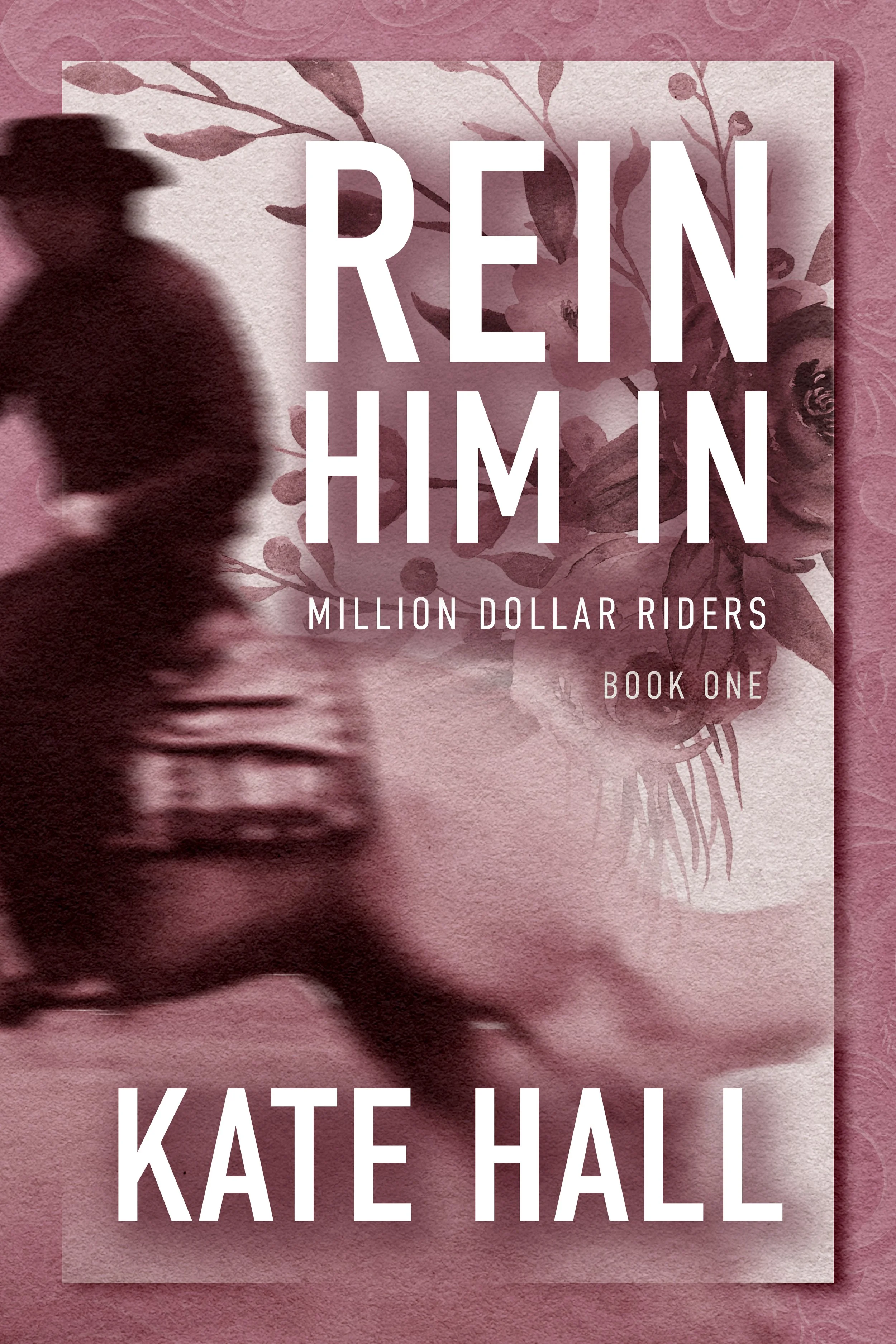
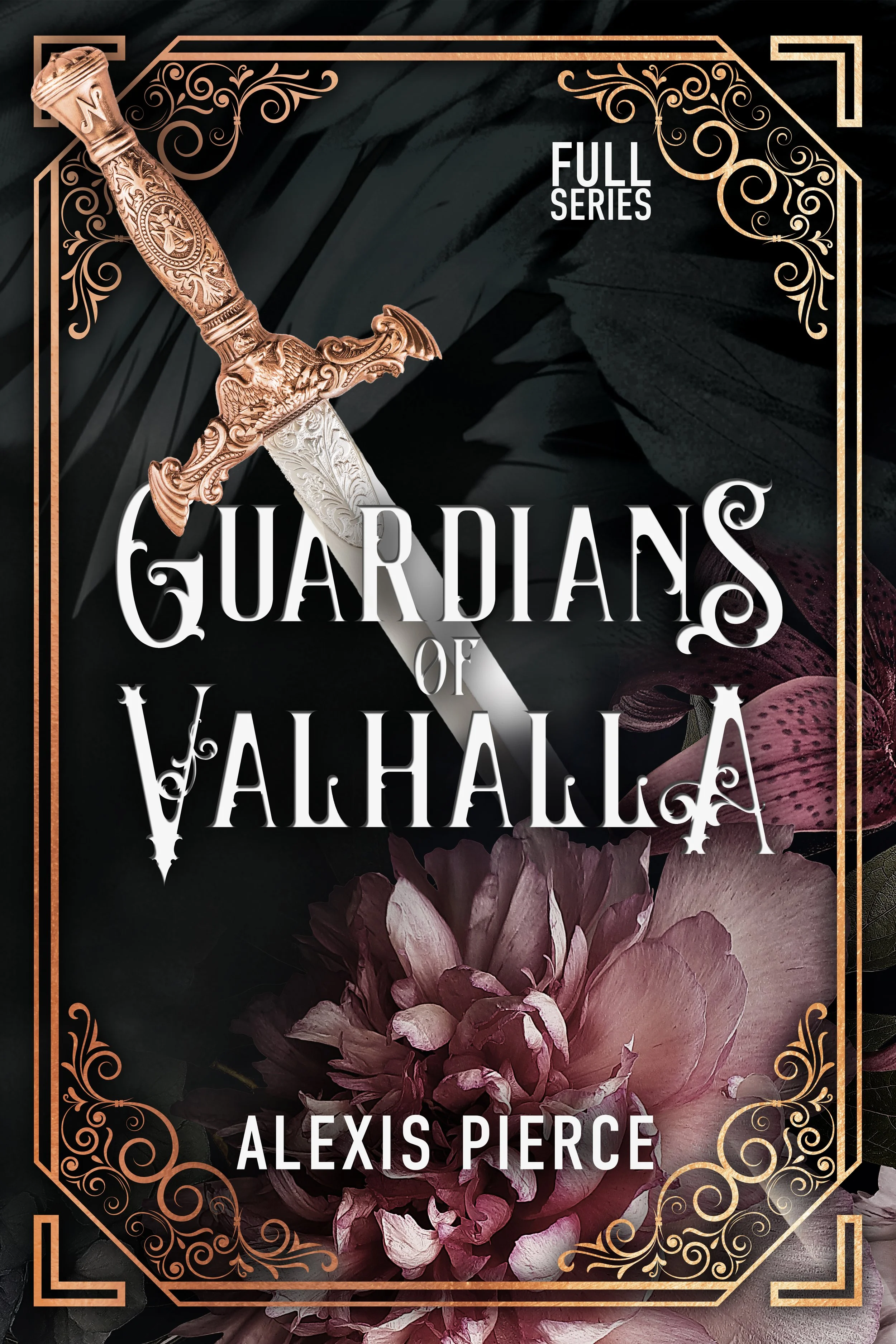
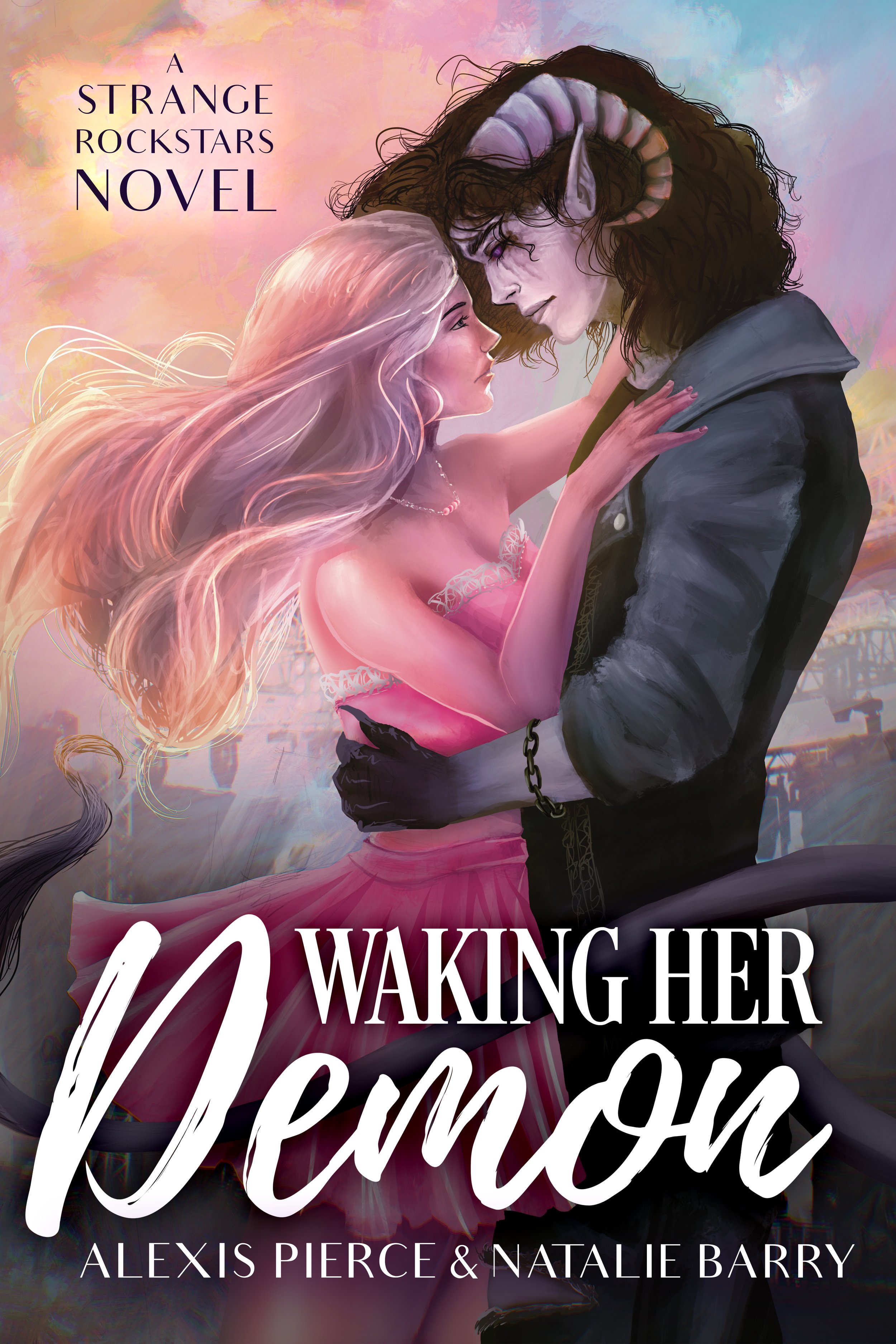
That’s true for the images too. A lot of people think a good cover has to be super elaborate, but it really doesn’t. Some of my covers use very basic photo bashing to put images together, and honestly, anyone could do that with enough time and practice in Photoshop. You do not have to create something wildly complicated. In fact, one of my covers could probably have been made in Canva in about 20 minutes if I’d had the right images ready to go. I picked one element from the story, added some flowers as a border, and put the text in the middle. That was it. I kept it simple on purpose because I didn’t want the design to distract from the title, and I needed the cover to match genre expectations.
The second mistake is bad editing. This is another thing that will mess up your whole strategy fast. When people read a book, they want it to be readable. I know that sounds obvious, but apparently it needs to be said.
If your book is full of typos, awkward grammar, or plot points that feel disconnected and all over the place, people are not going to keep reading. They might download the sample. They might even buy the book. But if it feels bad to read, they are not going to finish it, and they definitely are not going to recommend it.
Your book needs to be edited well. Now, if you can afford a professional editor, great. But if you can’t, I get it, because that’s exactly where I was when I started. I literally did not have the money to hire an editor, so I had to learn how to self-edit my books.
The point of editing is not to make your book sound smart. It is not about stuffing in a bunch of complicated words or using a thesaurus every other sentence. Good editing is about making your book easy and comfortable to read for the audience you’re writing for.
If you’re publishing a scientific journal for microbiologists, then yes, use the language microbiologists use. That makes sense. But if you’re writing fiction, memoir, or nonfiction for a general audience, you need to write at a level people can actually enjoy. If readers can technically sound out the words but are not really processing what they’re reading, they are not having a good reading experience. That means they are not going to recommend the book, they are not going to read your next one, and they might not even finish the one they’re reading right now.
And if your book is in Kindle Unlimited, that matters even more. If people stop reading a few pages in, you get fewer page reads and a smaller paycheck. So no, you do not need to dumb your writing down. But you do need to make sure it is not overly complicated or full of grammar issues that make it painful to get through.
The third mistake, and honestly the biggest one, is bad marketing or even worse, no marketing at all. This is the one that causes the most problems for authors.
Marketing is how people find your book. If you cannot market your book, people cannot find your book to buy it. I know, groundbreaking stuff. But a lot of authors still do not really act like that’s true.
What bad marketing usually looks like is posting in free Facebook book groups with your cover and your blurb and hoping somebody bites. The problem is that thousands of other people are doing the exact same thing every single day. If you are genuinely trying to make money, genuinely trying to sell books, and genuinely trying to build a fan base, that is not enough.
You need to find creative ways to market your book, and you need to understand how marketing works on the platform you’re using. If you want to market on Facebook, then learn how Facebook content works. If you want to use short-form video, then learn how short-form video works.
And the truth is, short-form video is selling the most books for the most people right now. TikTok is still one of the top platforms authors use to sell books, but if you do not want to use TikTok, you can use Instagram Reels or Facebook Reels and apply the exact same strategies. These strategies work because they are based on psychology.
You need a good hook. You need to use juicy scenes. You need to highlight story and character in a way that gets people emotionally invested. That is what makes someone stop scrolling and care. That is what makes them want to know more. And that is what gets them to buy.
If your book is not selling, it usually comes back to one of these three things. Either the cover is turning people away, the editing is making the reading experience bad, or the marketing is not getting the book in front of the right people.
The good news is that all three of these things can be fixed. And when you fix them, you give your book a real chance to sell.